Why Do Construction Sites Need Weight-Limited Dumpsters?
What Drives the Need for Weight Limits on Construction Dumpsters?
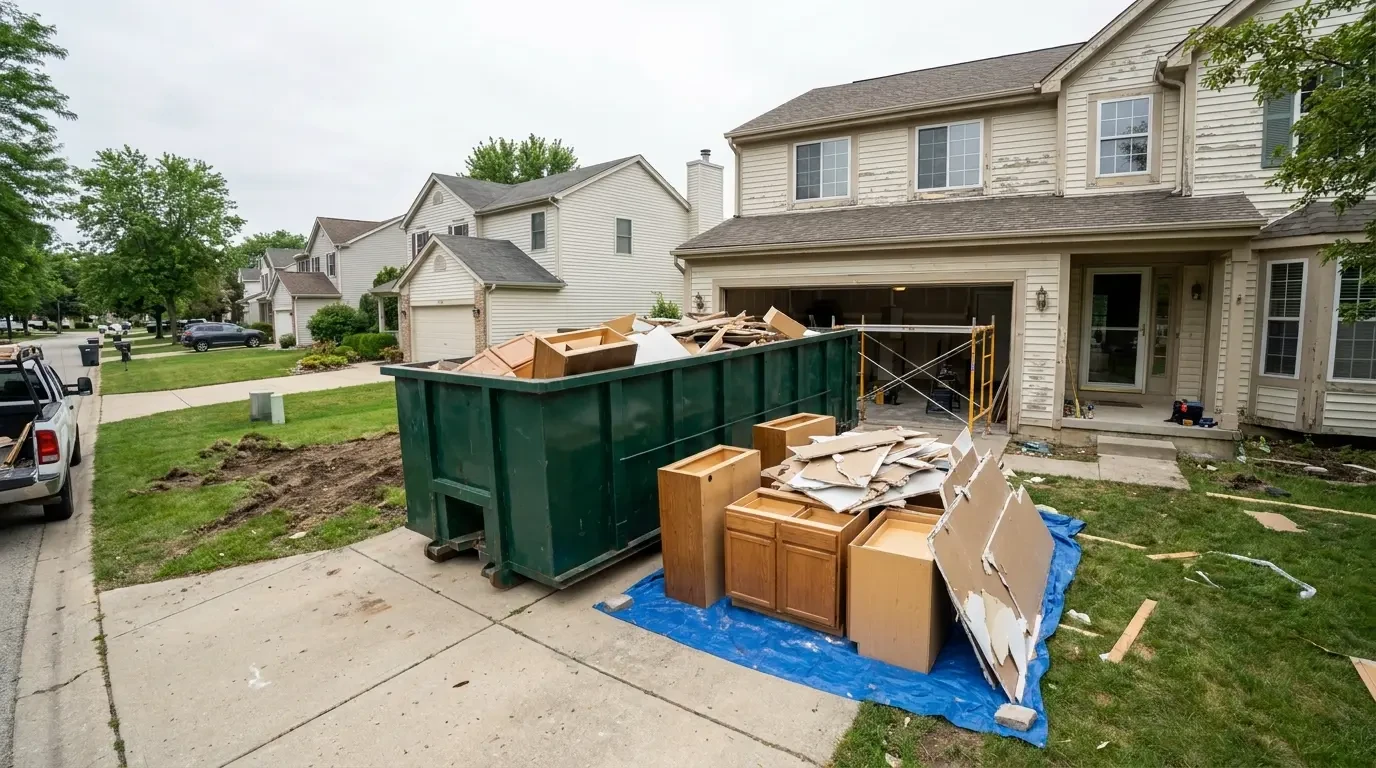
You’re buried under piles of shingles, broken concrete, and scrap lumber after a roof tear-off or patio demolition. The garage overflows with old appliances and furniture from a cleanout. A standard roll-off dumpster seems like the answer — but then you hear about weight limits. Why do they matter?
Weight limits exist for safety, road regulations, and cost control. A dumpster overloaded with heavy debris can damage the truck, cause accidents during transport, or land you with fines from local authorities. Each state and municipality sets its own rules on axle weights and load securement. That’s why construction sites need dumpsters with clearly defined weight caps. Ignoring these limits can turn a simple waste haul into a costly headache. At Roll‑0ff Dumpster Pros, we help you match the right container to your material mix — so you stay safe and legal.
How Overloaded Dumpsters Create Safety Hazards
A dumpster packed with concrete, brick, or soil can weigh several tons. When the truck lifts it, the extra weight strains the hydraulic system and increases the risk of tipping. On the road, an overweight load can cause braking failures or tire blowouts. The Federal Motor Carrier Safety Administration sets strict limits for commercial vehicles, and exceeding them results in citations and downtime. For construction crews, a safe job site starts with knowing how much your debris weighs. Always confirm the weight rating before filling the box. If you’re tearing out a driveway or foundation, consider a concrete disposal dumpster rental with a lower volume but higher weight allowance.
Understanding Overload Penalties and Fees
Most rental companies charge an overage fee per ton beyond the contracted weight limit. These fees add up fast — a 20-yard dumpster filled with heavy dirt can easily exceed the 2-ton limit by 3 or 4 tons. That could mean hundreds of dollars in extra charges. Municipal landfills also impose higher tipping fees for heavy loads. According to the Solid Waste Association of North America, disposal costs vary widely by region, so what’s cheap in one state may be expensive in another. To avoid surprises, ask your provider for a weight estimate based on your material list. Need a quick reference? Check out our roll‑off dumpster rental in Colorado page for local rate examples.
Overloading a dumpster by just one ton can trigger a $200 to $500 surcharge — knowledge of weight limits protects your budget.
Regional and Local Regulations That Affect Your Load
City or county public works departments often require permits for dumpsters placed on streets. These permits may specify maximum weight limits for the container. State environmental agencies also enforce rules on separating construction debris from general waste to encourage recycling. For example, California’s CalRecycle mandates that 50% of construction waste be diverted from landfills. That means you may need multiple dumpsters for different materials. Failing to comply can stop your project dead with a failed inspection. A local provider familiar with your area’s rules — like those serving Illinois or Texas — can guide you through permit requirements and weight restrictions before you start loading.
Which Materials Push Weight Limits the Fastest
Not all debris weighs the same. Concrete, rebar, brick, and asphalt are the heaviest culprits. A single cubic yard of concrete weighs about 4,000 pounds. That means a 10-yard dumpster can reach its weight capacity with just 2.5 yards of concrete. Roofing shingles also add weight quickly — a typical roof tear-off produces 2–3 tons of material. Dirt and sand are dense, while drywall and wood are lighter. When you’re planning a demolition or major renovation, separate your heavy materials and consider a dedicated dumpster for each type. Our construction dumpster rental services include options for mixed loads and special heavy-debris containers.
Choosing the Right Dumpster Size for Your Project
A common mistake is picking a dumpster that’s too large, thinking it can hold more weight. In reality, a 40-yard container may have the same weight limit as a 20-yard one. The difference is volume, not load capacity. For heavy materials like concrete or stone, a smaller dumpster with a higher weight allowance is often the better choice. For light materials like cardboard or demolition wood, a larger box works fine. Ask your rental company about “heavy-duty” dumpsters, which have reinforced frames and higher GVWR ratings. Need help estimating? Visit our home renovation dumpster rental page for size guides and pro tips.
Practical Tips to Avoid Overweight Dumpsters
-
Start loading from the bottom and distribute weight evenly.
-
Do not fill above the fill line — the top of the dumpster must be clear for safe transport.
-
Keep heavy materials like concrete and brick separate from lighter waste.
-
Use a scale or weight calculator if you’re unsure.
-
Ask the rental company about their specific weight limits before you order.
These steps prevent delays at the landfill and extra fees on your final bill. A reputable provider will walk you through the limits and help you choose the right container for your debris mix. Check out our yard waste dumpster rental for landscaping projects where weight is less of a concern, or our commercial roll‑off dumpster rental for ongoing construction needs.
When to Call a Professional for Heavy Debris Disposal
If your project involves large amounts of concrete, asphalt, or mixed demolition waste, it’s smart to consult an expert. Professionals can calculate estimated weights based on material volume and recommend the correct dumpster size and type. They also handle permits and routing to avoid overweight tickets. For major jobs like building demolition or industrial cleanouts, a single overloaded dumpster can cause project delays and safety issues. Our team at Roll‑0ff Dumpster Pros covers everything from disaster cleanup dumpster rental to garage cleanout dumpster rental — each with the right weight management strategy.
Stay on the Right Side of Weight Limits for a Smoother Job
Ignoring weight limits on construction dumpsters puts your project at risk — from safety hazards and fines to expensive overage charges. By understanding local regulations, choosing the right container for your materials, and working with a knowledgeable provider, you can avoid these pitfalls. Every site is different, so ask questions and get a weight estimate upfront.
If you’re planning a renovation, demolition, or cleanout, let us help you match the right dumpster to your needs. Contact Roll‑0ff Dumpster Pros today or explore our state-specific services to find the best options in your area.
Frequently Asked Questions
What is the typical weight limit for a 20-yard construction dumpster?
Can I put concrete and bricks in a weight-limited dumpster?
What happens if I exceed the dumpster’s weight limit?
Do weight limits vary by state or city?
How can I estimate the weight of my debris?
Explore All Services
Browse all nationwide service options and choose the right fit for your project.
Reliable commercial roll-off dumpster rental for construction, renovation, and cleanout projects. Pricing varies by region. Get a quote today.
Call NowGet fast residential roll-off dumpster rental for renovations, cleanouts, and debris. Regional pricing and permit help included. Call Roll-0ff Dumpster Pros.
Call NowNeed a dumpster for demolition debris? Roll-0ff Dumpster Pros offers nationwide rental with transparent pricing and local permit knowledge.
Call NowNeed fast, reliable construction dumpster rental nationwide? Roll-0ff Dumpster Pros handles debris from roofing, demolition, and more. Get a quote.
Call NowNeed roofing dumpster rental? Roll-0ff Dumpster Pros handles shingles, nails, and debris removal nationwide. Local permit knowledge and fair rates. Get a quote today.
Call NowBroken concrete and rebar piling up? Get a concrete disposal dumpster rental nationwide. Avoid fines and delays. Fair pricing by region.
Call NowGet rid of yard waste fast with nationwide dumpster rental. Prices vary by region. Roll-0ff Dumpster Pros handles the details.
Call NowNeed a landscaping dumpster rental? Get fast nationwide delivery for yard waste, branches, and debris removal. No hidden fees. Roll-0ff Dumpster Pros.
Call NowOverwhelmed by renovation debris? Roll-0ff Dumpster Pros provides nationwide home renovation dumpster rental with local permit and pricing knowledge. Get a free quote today.
Call NowTackle garage clutter fast with nationwide garage cleanout dumpster rental. Roll-0ff Dumpster Pros handles heavy junk, local rules, and fast delivery.
Call NowGet reliable estate cleanout dumpster rental across the US. Roll-0ff Dumpster Pros handles large volumes, from furniture to debris. No hassle, fast delivery.
Call NowRemove piled-up junk from foreclosed properties with our Foreclosure Cleanout Dumpster Rental. We handle permits, weight limits, and regional rules across the US.
Call NowMoving cleanout clutter blocking your move? Get a roll-off dumpster for fast, affordable nationwide disposal. Prices vary by location. Request a quote today.
Call NowAccumulated junk making rooms unsafe? Get nationwide hoarder cleanout dumpster rentals. Costs and permits vary by region – request a quote today.
Call NowNeed a dumpster for an office cleanout? We handle desks, files, and electronics. Roll-0ff Dumpster Pros offers nationwide service with local expertise. Request a quote.
Call NowGet fast, reliable retail store cleanout dumpster rental for renovations, inventory disposal, and property turnover. Roll-0ff Dumpster Pros serves all 50 states.
Call NowPiles of broken pallets, obsolete inventory, and damaged equipment make aisles impassable.
Call NowHeavy waste overwhelming your site? Get industrial dumpster rental for large-scale debris across the US. Regional code & permit handling included.
Call NowWhen disaster strikes—flood, fire, storm—you need fast debris removal. Our nationwide dumpster rental handles it all. Costs vary by region. Get a free quote today.
Call NowFast event cleanup dumpster rental nationwide. Remove tents, food waste, and debris quickly. Roll-0ff Dumpster Pros handles post-event waste across the US.
Call NowBrowse by State
Choose your state or region to find local service coverage pages.
Need Nationwide Roll-Off Dumpster Rental?
We connect you with trusted local providers in your state or city. Call or email us today.